

I first published this article on my Substack. Click to visit my Substack.
I’m working through Guy Tal’s More Than a Rock (2nd edition), trying to figure out how to add more personal interpretation and creative expression to my photography. What follows is my take on his first chapter—his arguments about what makes nature photography meaningful, plus my own reactions where I think he’s either onto something or maybe overshooting.
I’m bringing up counterpoints deliberately. Not to dismiss Tal’s ideas, but because I think they’re worth arguing about. If you disagree with me (or him), good. Comment. Let’s figure this out.
The Problem with Dramatic Pictures and Rare Subjects—Is There Actually a Problem?
Tal opens by attacking a comfortable assumption: that dramatic locations, rare subjects, and technical mastery automatically create meaningful photographs. His position is clear—they don’t. Nature photography, he argues, is drowning in images that are visually competent but emotionally hollow. Pictures of things rather than about anything.
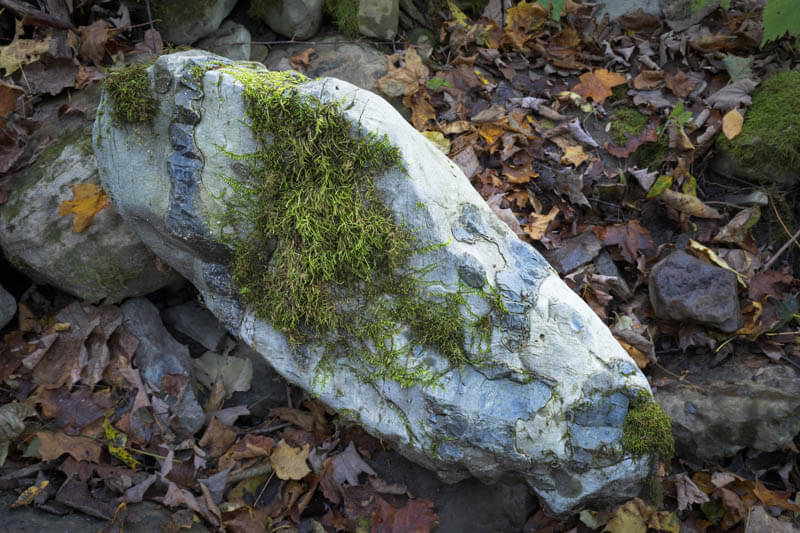
The “rock” in the title is provocation. Photographing a rock is trivial (unless you’re a geologist—which I am, so already we have a problem). What supposedly makes it matter is what you bring to it: interpretation, intent, your understanding of why this rock, in this light, at this moment, deserves to be an image.
Here’s where I push back: I absolutely take photos just because something is beautiful, dramatic, or rare. Doesn’t a beautiful scene or a scary sky illicit an emotional response? Doesn’t documenting something uncommon have value?
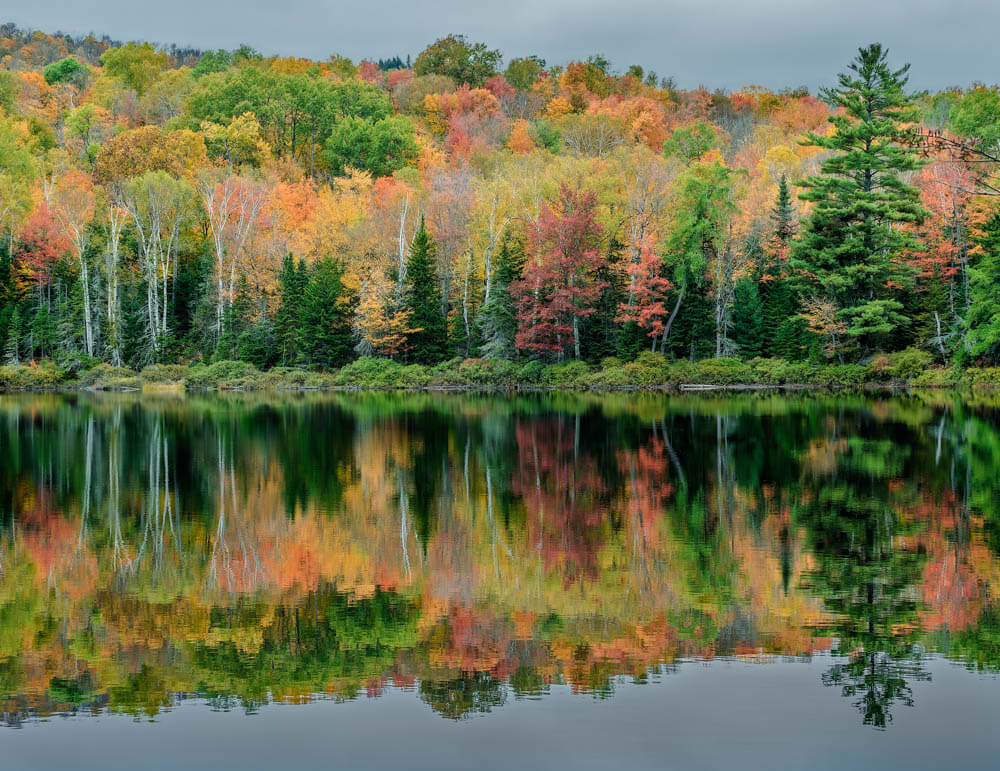
Not every subject waits around while you contemplate your artistic intent. A bird doesn’t pause mid-flight so you can decide what the image is “about.” Does that mean we shouldn’t share it? Should we only call it art if we’ve philosophically justified it first?
Probably not all photos have to be art to be meaningful to someone. But Tal would likely say that’s exactly the problem—confusing documentation with creative work.
Photography as Interpretation, Not Documentation
Tal’s claim here is stark: photographic objectivity is a myth. Every choice—focal length, aperture, composition, what you include or exclude, how you process—is subjective. These decisions reflect your experiences and values, whether you acknowledge them or not.
If photography is inherently interpretive, the question shifts from “Did I capture it accurately?” to “What am I trying to say?” Photographer as author, not a recorder.
I think this is true. But I also think I use it as an excuse.
I often am just documenting. I enjoy capturing a scene accurately. I like identification photos. I like scientific documentation. These aren’t artistic photographs, and honestly, that doesn’t bother me.
The issue is when I fail to recognize the difference. I’ll share a technically decent photo of X with people who want artistic expression, not documentation. Very few people care what X is called. I care. They don’t. I consistently misjudge this.

Tal’s framework would say: stop sharing documentation and calling it photography. I’m not sure I fully agree, but I definitely need to sort out which audience gets which images.
Get an email when new articles are published
The Weight of Responsibility
Tal doesn’t let photographers hide behind passive observation. Images shape how viewers understand nature. They influence environmental attitudes, conservation priorities, and cultural relationships with place.
If your photographs treat landscapes as backdrops for personal achievement or spectacle, you’re actively shaping a problematic relationship between people and the environment. The responsibility is embedded in every image you share.
This is where I have real doubts.
Sometimes I want to photograph a cornfield without burdening the viewer with the fact that atrazine keeps broadleaf plants suppressed for a decade, that it’s killing pollinators, that ammonium nitrate is the only reason anything grows there, that the soil is borderline dead.
Is every photo supposed to carry environmental commentary? That sounds exhausting—for me and for the viewer.

My caption isn’t going to be “A glacial valley at autumn’s onset with the barren herbicidal cornfield that erodes and chokes the stream with sediment seven months a year.”
Just saying.
Maybe Tal’s point is that photographers who do want to communicate something meaningful have a responsibility to be intentional. Fine. But does that obligation extend to everyone with a camera? I’m not convinced.
Join Behind The Image
Get the story behind my photos and quick editing tips delivered to your inbox every other Thursday.
It’s free—sign up below to receive the next issue!
Be sure to check your inbox after signing up to confirm your email address. If you don’t see the confirmation email in 5 minutes, check your spam folder. It’s a great idea to add to**@*******sh.com to your contacts to make sure the next Behind The Image makes it to your inbox.
Communication Over Collection
Where I disagreed with Tal on responsibility, I’m fully on board with his idea of communication over collection.
He distinguishes between photography as collection versus photography as communication. Most photographers operate in accumulation mode: more locations, more rare conditions, more validation. Accumulation without insight produces visual noise.
The alternative: use photography to convey something genuine about nature, your relationship to it, your inner life. This requires introspection, patience, and making fewer images that matter more.
I agree with this—even as someone who values documentation.
But here’s where I’d reframe Tal’s argument: our photos need to communicate what nature is, not as an environmental obligation, but as a revelation. Show people what they overlook. That life lives on life. That everything in nature is connected. All we have to do is look.

We don’t need to carry some imposed responsibility. We share the world as we see it. And we won’t change anyone’s mind with another slideshow of Yosemite. We need to photograph the ordinary environments people actually encounter—the ones they can relate to, the ones they walk past every day without seeing.
That’s communication. Not preaching. Not accumulation. Just showing what’s there when you pay attention.
What This Actually Means
Tal’s framework asks uncomfortable questions. Before you press the shutter, can you articulate what the image is about? Not what’s in the frame—what idea, feeling, or understanding you’re communicating. If you can’t answer, technical excellence won’t save it.
This isn’t rejecting craft. Tal is clear that skill matters. But craft without purpose is performance. Craft in service of meaning becomes art.
Here’s my tension: the rock itself is never the point for Tal. For me, as a geologist, sometimes the rock is the point.
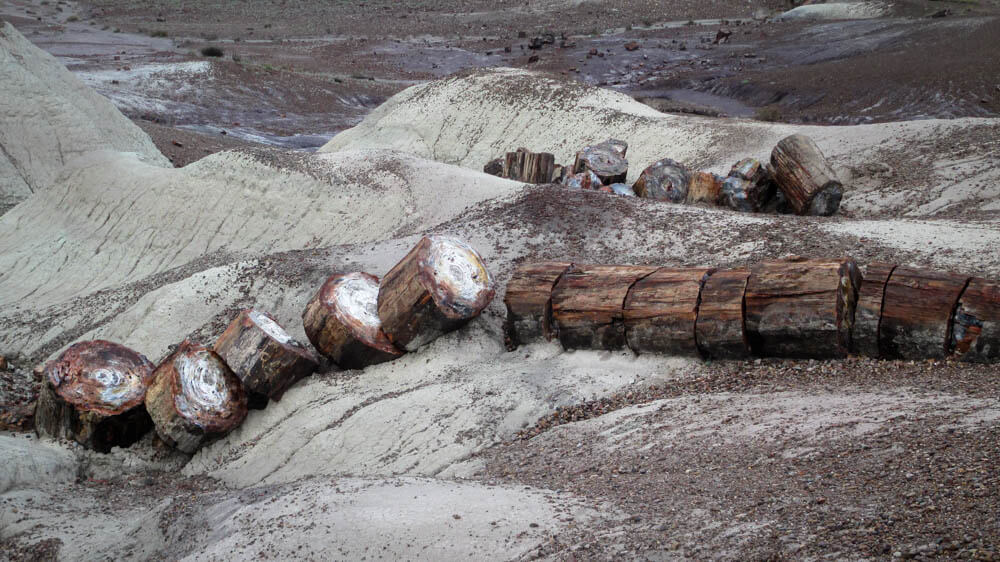
But I get what he’s actually saying. Even if I’m photographing a rock, the image should highlight what makes this rock worth seeing. Show it in a way no one else has looked at it before. Whether that’s geological significance, texture, context, or the way light reveals its structure—something beyond “here’s a rock.”
I’m trying to learn. That’s why I’m reading the book.
So—do you buy Tal’s framework? Does every photograph need to be “about” something beyond its subject? Is documentation legitimate, or is it just lazy? Where’s the line between meaningful work and pretentious overthinking?
Let me know in the comments. I’m genuinely curious where other photographers land on this.